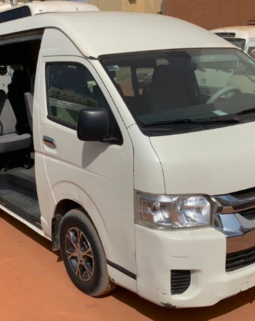


Senegal’s roads are filled with a diverse mix of vehicles, but a significant majority are imported and pre-owned, with some estimates suggesting that up to 80% of the national fleet is over a decade old. This reliance on a foreign, often older, fleet presents challenges for air quality, road safety, and economic development. In a strategic move to address this, the government has announced a bold plan to revive the local Senegal automotive industry by reactivating the Seniran-Auto vehicle assembly plant. This initiative marks a pivotal step toward shifting from a consumer market to a producer market, creating a sustainable foundation for the future of transport in the country.
A Strategic Revival of a Key Asset
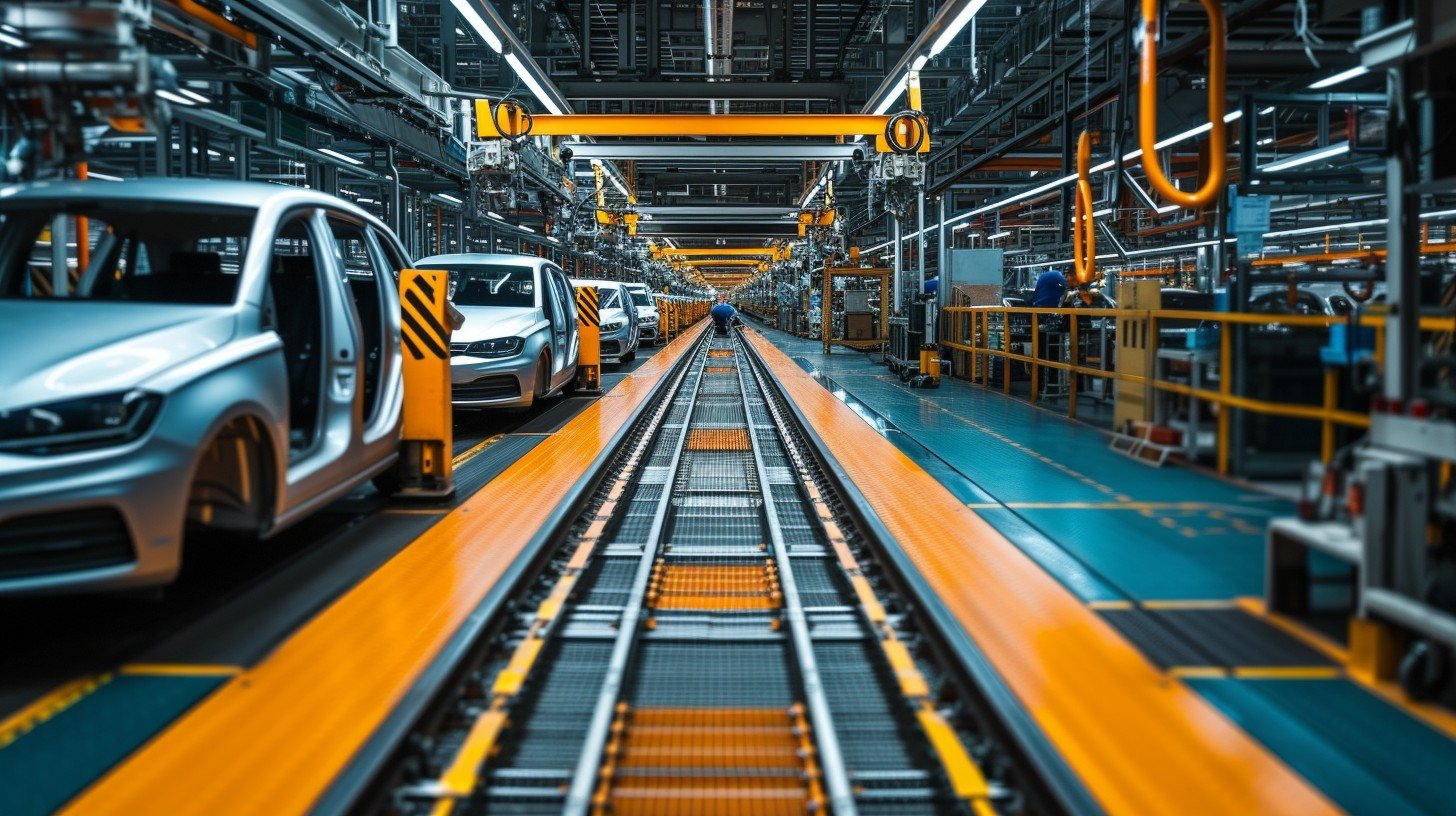
The Seniran-Auto plant, a joint venture between Iran Khodro and the Senegalese government, has long operated below its potential. With an annual capacity of 10,000 vehicles, the facility has been largely underutilized. The new government’s plan, spearheaded by the ministers of Industry and Transport, aims to change this. Their strategy is centered on an ambitious vision to not only meet the country’s domestic vehicle needs but also to position Senegal as a leader in the regional market.
Driving Local Demand and Regional Growth
A key pillar of this revitalization effort is stimulating internal demand for new, locally assembled vehicles. The Ministry of Transport has already committed to a significant contract for 2,000 new taxis. This massive order is a direct boost to the local Senegal automotive industry and is expected to provide a substantial workload for the plant. The vehicles will be the Samand sedan model, offering a modern, reliable alternative to the aging fleet of taxis that currently serve Dakar and other cities. This initiative is a clear signal that the government is committed to using public procurement to support local manufacturing.
Beyond taxis, the government’s plan includes promoting the use of locally produced tractors and other utility vehicles to support the agricultural sector, which is a cornerstone of the national economy. This multi-sector approach is designed to ensure a broad and stable market for the revitalized Senegal automotive industry.
The long-term strategy for the Seniran-Auto plant extends beyond national borders. The government aims to position the plant as a key supplier for the West African sub-region, particularly for the UEMOA and ECOWAS markets. By producing vehicles locally, Senegal can offer a cost-effective alternative to imports from overseas, leveraging its strategic geographic location. For more information on vehicle regulations and market trends across the African continent, you can explore resources like those at AfriCarGroup. This push for regional export aligns with Senegal’s broader industrialization policy, which seeks to create wealth, generate jobs, and diversify the economy.
The revival of the Seniran-Auto plant signifies a major turning point for the Senegal automotive industry, transforming the nation from an importer of used cars into a hub of vehicle assembly and innovation.
What are your thoughts on this strategy for modernizing Senegal’s transport sector? Share your insights and predictions for the future in the comments!