

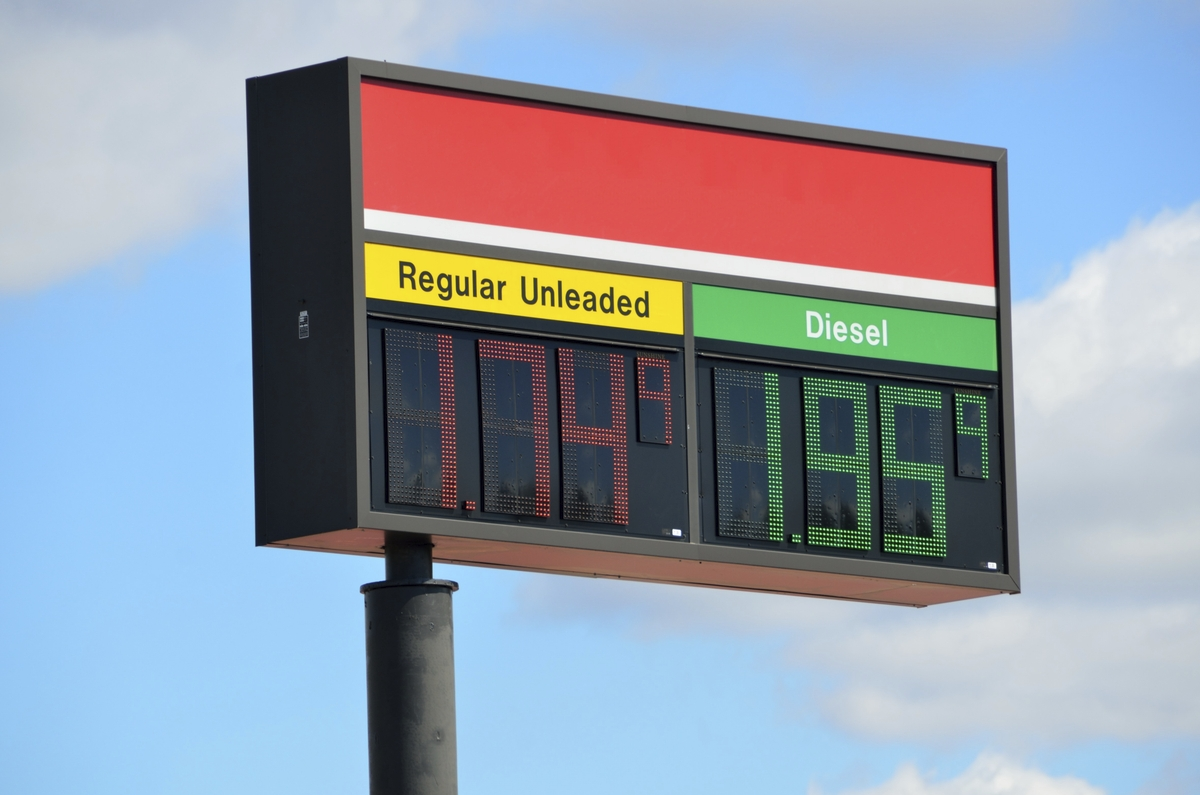
For many years, motorists in Senegal enjoyed relatively stable and affordable fuel prices, thanks in part to government subsidies. However, recent economic shifts and global market pressures have led to adjustments that have directly impacted consumers at the pump. This rise in Senegal fuel prices is not just a minor inconvenience; it is a significant factor that is reshaping consumer behavior and influencing the types of vehicles people are choosing to buy and drive.
The days of prioritizing large, powerful, and fuel-guzzling vehicles are fading as financial realities set in. Drivers are now actively seeking out cars that can offer more kilometers for every liter of fuel.
A Growing Appetite for Efficiency
The increase in Senegal fuel prices has created a surge in demand for fuel-efficient vehicles. Car buyers are now prioritizing compact sedans, small SUVs, and other models equipped with smaller, more economical engines. Vehicle dealers across the country have reported a clear shift in purchasing trends. Prospective buyers are no longer just asking about horsepower or luxury features; their primary concern has become a car's fuel consumption rate. This change is visible on the streets of Dakar, where smaller, more agile vehicles are becoming an increasingly common sight.
The Ripple Effect on Public and Private Transport
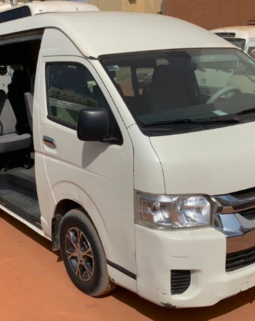
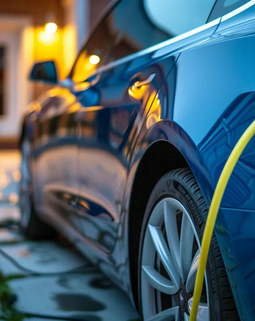
While private car owners are re-evaluating their choices, the impact of rising Senegal fuel prices is also being felt across the public transport sector. Operators of shared taxis, tata buses, and other commercial vehicles are facing higher operational costs, which they may pass on to commuters. This creates a difficult situation for many citizens who rely on public transport for their daily commute. The financial pressure on operators is also prompting discussions about modernizing their fleets with more fuel-efficient, or even electric, vehicles in the future.
Long-Term Planning for Drivers
For drivers, a proactive approach to vehicle ownership has become essential. Beyond simply choosing an economical car, they must also adopt smarter driving habits. Limiting unnecessary trips, avoiding prolonged idling, and ensuring regular vehicle maintenance are all ways to minimize fuel consumption. For more information on vehicle regulations and services across the African continent, you can explore resources like those at AfriCarGroup. The high cost of fuel has turned every driver into a budget manager, and every trip into a calculation of value.
The trend of rising Senegal fuel prices is a powerful catalyst for change in the country's automotive landscape. It is pushing the market towards greater efficiency and encouraging both consumers and the government to consider more sustainable and economical transport solutions for the future.
What kind of car would you buy to deal with rising fuel costs in Senegal? Share your dream fuel-efficient ride in the comments!