

For generations, the brilliantly painted wooden pirogues of West Africa have been the absolute lifeblood of the coastal economy. However, the traditional reliance on imported petrol to power these heavy marine engines has created a severe financial and environmental burden for local boatmen. Fuel price fluctuations constantly erode razor-thin profit margins, while the deafening noise and toxic oil slicks actively damage fragile aquatic ecosystems. To permanently solve these deep-rooted challenges, a massive marine transition is underway, paving the way for true Sustainable Artisanal Fishing. At the forefront of West Africa Marine E-Mobility, the rapid emergence of Senegal Electric Fishing Fleets is proving that clean, sustainable technology can successfully revolutionize one of the region's oldest and most vital industries.
The Retrofitting Revolution
Replacing tens of thousands of traditional wooden boats with brand-new electric vessels is financially impossible for local rural communities. Instead, marine engineers and green energy startups are taking a highly practical, localized approach to building Senegal Electric Fishing Fleets. Rather than discarding the iconic pirogues, mechanics are heavily focused on Pirogue Retrofitting.
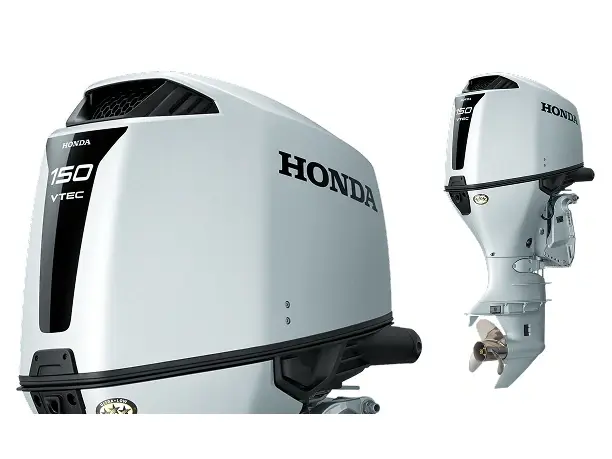
By physically removing the old, gas-guzzling combustion engines and outfitting the exact same external casings with high-torque Electric Outboard Motors, technicians are preserving the familiar hardware while entirely upgrading the power source. Transitioning to Senegal Electric Fishing Fleets allows boat operators to strictly maintain the specific speed and handling characteristics they are deeply accustomed to, drastically reducing the natural resistance to adopting new green technologies.
The Financial Benefits Of Senegal Electric Fishing Fleets
The absolute biggest driver of this maritime green transition is sheer economics. To overcome the high upfront costs of modern lithium-ion batteries, local companies are brilliantly utilizing a Battery As A Service (BaaS) model. Fishermen no longer buy liquid fuel; instead, they simply lease a fully charged battery pack for the day. This innovative leasing structure ensures that operating Senegal Electric Fishing Fleets is up to 50% cheaper on a daily basis than running a standard petrol engine. Furthermore, because electric motors have incredibly few moving parts, the constant, expensive need for oil changes, spark plug replacements, and complex mechanical repairs drops to nearly zero.
Overcoming Infrastructure Hurdles
Of course, successfully powering boats on the water requires highly reliable charging infrastructure on land. Establishing long-term, grid-independent support for Senegal Electric Fishing Fleets requires decentralized energy solutions, especially in heavily remote river delta regions like the Casamance.
Solar-Powered Shorelines
To completely bypass the strict limitations of the national power grid, green tech innovators are aggressively installing dedicated solar-powered charging kiosks directly on the docks and riverbanks. These localized micro-grids actively harness the incredibly abundant West African sun to safely charge the marine batteries during the day, creating a perfectly closed-loop, zero-emission energy cycle.
For maritime investors, conservationists, and logistics operators wanting to continuously track the latest shifts in marine electrification, regional sustainability, and clean tech innovations, exploring the expert daily insights at AfriCarNews is highly recommended.
Ultimately, the aggressive, ongoing success of Senegal Electric Fishing Fleets actively proves that the continent's most traditional sectors can successfully leapfrog fossil fuels. By permanently silencing the engines, fishermen are protecting their coastal waters, significantly boosting their daily incomes, and confidently sailing toward a much greener horizon.
Would you feel comfortable navigating the open ocean relying entirely on battery power? How else can decentralized solar micro-grids transform remote coastal economies? Share your maritime experiences, technical questions, and green energy ideas in the comments below!