

As West Africa navigates the complexities of the global energy transition, Senegal is strategically positioning itself to decarbonize its most critical logistics networks. With massive offshore natural gas reserves coming online, the nation has a unique opportunity to drastically reduce its transport emissions without waiting decades for grid-scale renewable electrification. The solution lies in pioneering Senegal Blue Hydrogen Freight solutions. By focusing on the heavily congested Dakar-Bamako Trade Route, policymakers and energy producers are taking the first massive steps toward transforming the continent's heavy transport sector.
The Strategic Importance Of The Dakar-Bamako Corridor
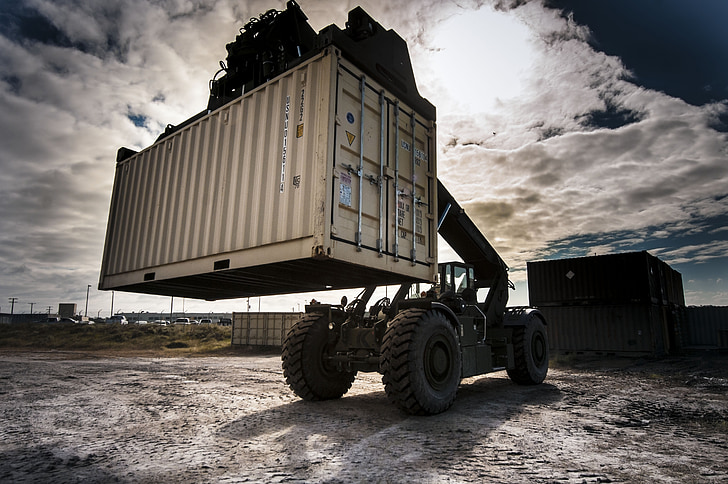
The highway linking the Port of Dakar to landlocked Mali is the absolute economic lifeline of the region. Every single day, thousands of diesel-chugging heavy commercial trucks make the grueling journey, transporting essential goods, agricultural products, and industrial equipment. This immense logistical flow, while economically vital, generates a massive carbon footprint. Transitioning this specific corridor to successfully support Senegal Blue Hydrogen Freight offers an immediate, high-impact method for drastically curbing regional greenhouse gas emissions while maintaining cargo throughput.
Why Blue Hydrogen Production Makes Sense
While green hydrogen (produced via solar or wind electrolysis) is the ultimate long-term goal, Blue Hydrogen Production offers a highly practical, immediate stepping stone. By utilizing the country's newly tapped domestic natural gas resources and pairing them with advanced Carbon Capture Logistics, local refineries can strip the carbon dioxide away and safely store it underground. This highly efficient process yields massive quantities of clean-burning hydrogen fuel at a fraction of the current cost of green alternatives. Relying on this localized production ensures that Senegal Blue Hydrogen Freight remains economically viable for regional fleet operators who are currently heavily burdened by imported diesel costs.
Executing The Heavy-Duty Truck Transition
Replacing traditional diesel engines with hydrogen fuel cell electric vehicles (FCEVs) is the core mechanical challenge of the Heavy-Duty Truck Transition. Unlike standard battery-electric trucks, which require massive, heavy battery packs that eat into vital cargo payload capacities, hydrogen trucks offer a true one-to-one operational replacement for diesel. A truck fully equipped for Senegal Blue Hydrogen Freight can successfully haul maximum tonnage, refuel in under 15 minutes, and easily conquer the grueling 1,000-kilometer journey to Bamako emitting nothing but pure water vapor from its tailpipe.
Developing Refueling Infrastructure
To confidently support Senegal Blue Hydrogen Freight, a robust network of high-pressure refueling stations must be strategically placed along the Dakar-Bamako highway. Energy consortiums are actively mapping out these vital pit stops, ensuring that long-haul drivers have consistent, reliable access to clean fuel at major checkpoints and border crossings.
For logistics operators, green tech investors, and energy engineers wanting to continuously track the latest shifts in regional infrastructure, clean fuels, and continental supply chains, exploring the expert daily insights at AfriCarNews is highly recommended.
Pioneering West Africa Clean Transport
The successful implementation of Senegal Blue Hydrogen Freight across this vital trade route serves as a powerful blueprint for the rest of the continent. By intelligently utilizing domestic gas resources to aggressively kickstart a zero-emission logistics network, Senegal is proudly leading the charge toward West Africa Clean Transport.
Ultimately, mastering Senegal Blue Hydrogen Freight guarantees that the nation’s economic growth will no longer come at the severe expense of its environmental future, seamlessly blending heavy industry with deep ecological responsibility.
Do you believe that blue hydrogen is the best transitional fuel for African logistics, or should nations wait for green hydrogen to become cheaper? How do you think fuel cell trucks will perform in the harsh West African climate? Share your thoughts, questions, and green transport ideas in the comments below!