

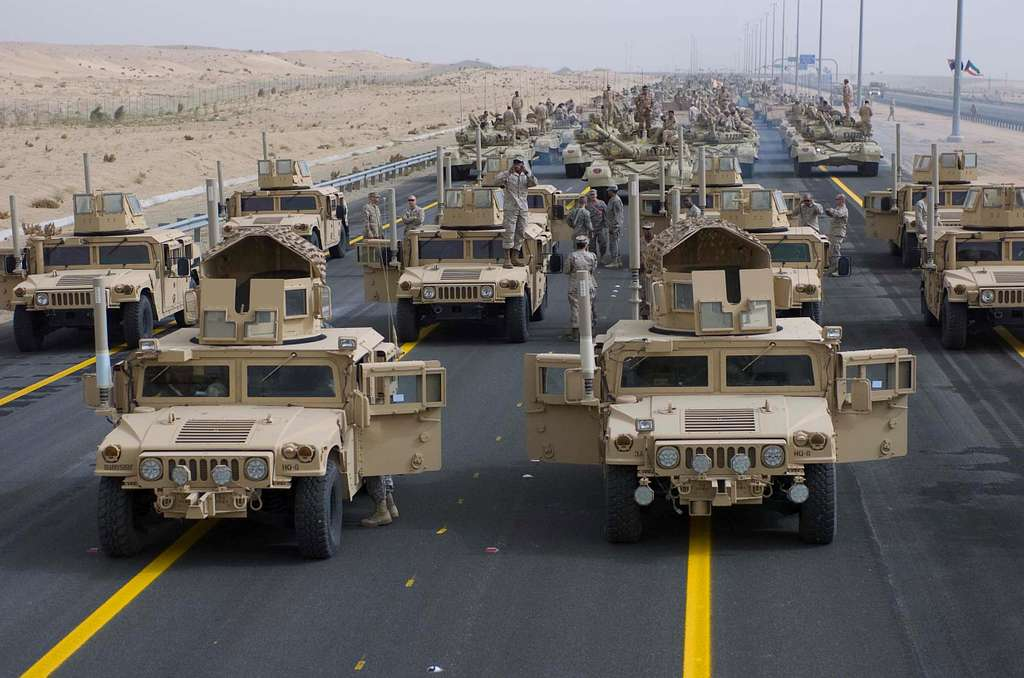
Senegal has taken a historic step toward strengthening its defense capabilities with the inauguration of its first Senegal military vehicles assembly plant. The project, officially opened by President Bassirou Diomaye Faye, represents a strategic effort to reduce reliance on imported defense equipment while fostering local industrial capacity.
Located in Diamniadio, about 30 km east of Dakar, the plant is owned by Industrie Senegalaise de Vehicules Militaires (ISEVEM) and has an annual production capacity of 1,000 tactical military vehicles. This initiative is part of a partnership with South Korea, bringing in technical expertise, training, and technology transfer programs for Senegalese engineers and technicians.
Technology Transfer and Workforce Development
The Diamniadio facility goes beyond assembly lines. It includes programs for training personnel in vehicle assembly, quality control, maintenance, and testing. According to the state news agency APS, the plant aims to equip Senegalese professionals with the skills required for a self-sustaining military vehicle industry.
“This is a strategic choice rather than a purely industrial decision,” President Faye said, emphasizing the goal of strengthening national innovation and sovereignty. By developing local production capabilities, Senegal seeks to reduce structural dependence on foreign suppliers, which can be a strategic vulnerability in times of global supply chain disruptions.
Industrial and Strategic Impacts
The ISEVEM plant marks Senegal’s first public-private industrial unit dedicated to defense and security vehicles. The government holds a 35% stake through the Sovereign Fund for Strategic Investments (FONSIS), signaling strong state support for the emerging national defense sector.
The plant also forms the foundation for a broader industrial ecosystem. Future plans include integrating local suppliers, qualified subcontractors, maintenance centers, and innovation laboratories to ensure long-term sustainability and expansion of Senegal military vehicles production.
National Security and Sovereignty
Defense analysts note that developing domestic military vehicle production enhances national security by ensuring reliable access to equipment and reducing dependency on foreign suppliers. Local assembly capabilities also allow for rapid adaptation of vehicles to Senegalese operational requirements and environmental conditions.
The Diamniadio facility positions Senegal as a leader in West Africa’s emerging defense industry. By combining industrial development, technology transfer, and workforce training, the country is taking a comprehensive approach to modernizing its armed forces.
For readers tracking developments in African defense and automotive sectors, platforms like AfricaCarNews provide updates on vehicle production, defense technology, and industrial partnerships.
Do you think the local assembly of military vehicles will strengthen Senegal’s defense independence? Share your views below and join the discussion on Africa’s growing defense industry!