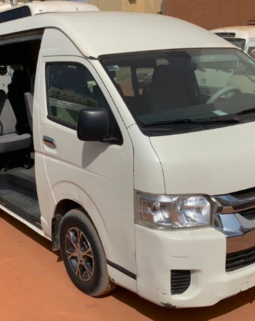



Senegal’s automotive and transport sector is evolving rapidly with updated policies that make Senegal EV imports more accessible and cost‑effective than ever before. As the country accelerates its transition toward clean and sustainable transport, the government has introduced reforms that significantly benefit electric vehicle (EV) importers, automotive businesses, and private car buyers.
These reforms remove major taxation barriers, simplify customs clearance, and introduce compliance standards tailored specifically for EVs — creating an attractive environment for importers and operators focused on modern car transport solutions.
New Regulatory Landscape for EV Car Imports
The 2026 Finance Act further expands on reforms introduced in 2025, reinforcing Senegal’s competitive stance in the West African EV market. The most notable change for Senegal EV imports is the continued exemption from VAT, customs duties, and internal levies on 100% electric vehicles. This has dramatically lowered the cost of EVs compared to traditional petrol or diesel cars, encouraging businesses and consumers to shift toward cleaner mobility options.
Incentives and Simple Customs Procedures
Alongside tax incentives, the government has streamlined customs procedures for Senegal EV imports. Key updated features include:
-
Removal of VAT, customs duties, and internal taxes on fully electric cars
-
Elimination of outdated administrative commissions
-
Reduced penalties for import non‑compliance for SMEs
-
Clear documentation guidelines to speed up clearance
These changes significantly reduce bureaucratic delays, making EV car imports more predictable, transparent, and business‑friendly.
Boost to Automotive and Car Markets
By lowering costs and simplifying procedures, Senegal’s 2026 reforms support importers, dealers, and individual buyers looking to bring in electric cars. This shift also encourages companies to expand offerings of EV models, including compact cars, SUVs, and commercial EVs suited for both urban and intercity use.
Required Documentation for EV Clearance
To ensure smooth clearance and avoid delays with Senegal EV imports, proper documentation is essential. Importers must prepare the following:
Shipping and Commercial Documents
-
Supplier commercial invoice detailing the EV’s specs and value
-
Bill of Lading (BOL) or equivalent freight receipt
-
Certificate of origin from the exporting country
-
Packing list and shipment insurance certificate
Ownership and Regulatory Documents
-
Original or certified copy of the vehicle title
-
Vehicle registration documents if resale is intended
-
Combined Certificate of Value and Origin (CCVO) and Senegal Customs Form C
-
Preliminary Declaration of Import (DPI) for shipments valued above 1,000,000 FCFA
-
Power of Attorney (POA) for agents handling customs
-
Taxpayer Identification Number (TIN) for companies
With all paperwork in order, customs clearance for Senegal EV imports generally takes between five and ten business days once the vehicle arrives at the port.
EV‑Specific Compliance and Safety Requirements
Importing an electric car into Senegal involves EV‑specific compliance checks that go beyond traditional vehicle imports:
Battery and VIN Requirements
-
Material Safety Data Sheet (MSDS) for lithium‑ion batteries must be provided
-
EVs must display a clear Vehicle Identification Number (VIN) label on the windshield specifying electric status
Import Notification and Environmental Standards
-
Inform Senegal Customs and your transporter early about the EV shipment
-
Ensure inspection certificates confirm compliance with Senegal’s safety and environmental standards
These safeguards help customs officials confirm eligibility for tax exemptions and verify that the vehicle meets national regulations.
Shipping and Logistics for EV Car Imports
Choosing the right shipping method is a crucial step in Senegal EV imports. While Roll‑on/Roll‑off (RoRo) shipping is cost‑effective for operational vehicles, container shipping offers enhanced protection — especially for non‑operational or high‑value EVs.
Partnering with experienced import agents familiar with EV shipments helps ensure transparent pricing, real‑time tracking, and coordination with ports and customs in Senegal.
For ongoing updates on electric vehicle adoption, market trends, and automotive policy across Africa, visit AfricaCarNews.
Are you considering importing an electric car to Senegal in 2026? Share your plans or questions in the comments — let’s explore how EVs are reshaping the future of transportation!